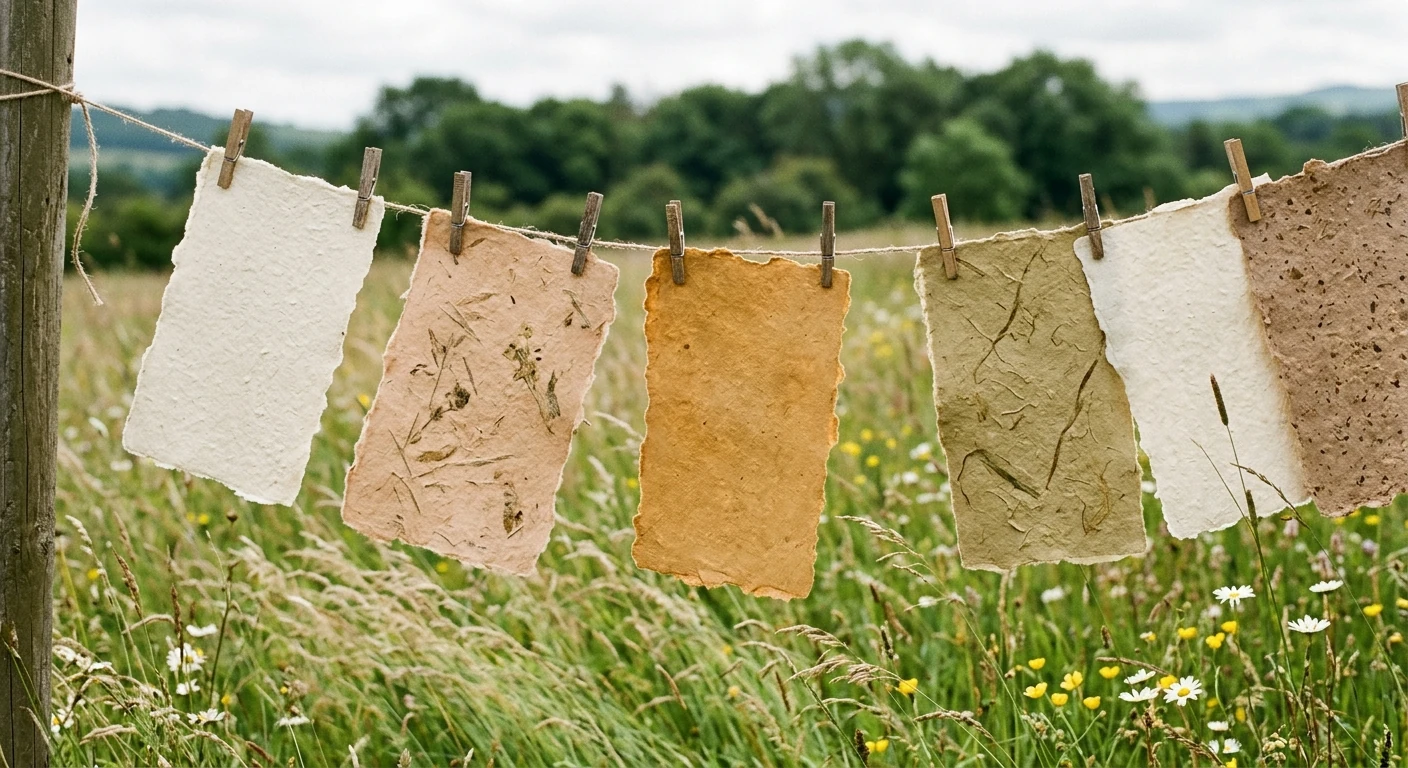
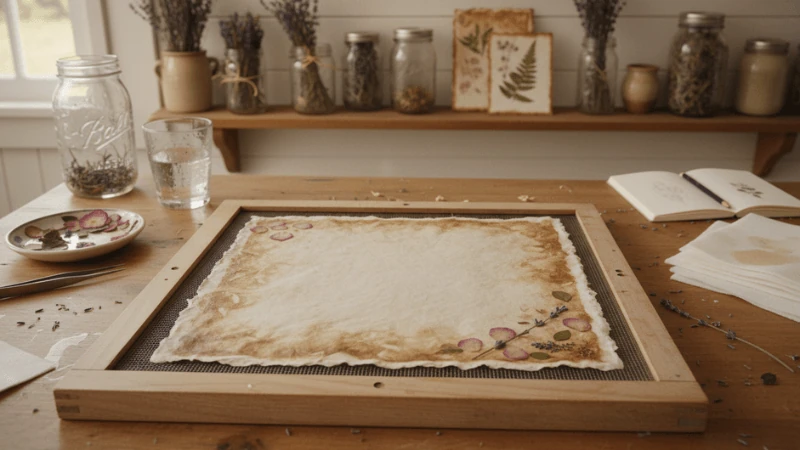
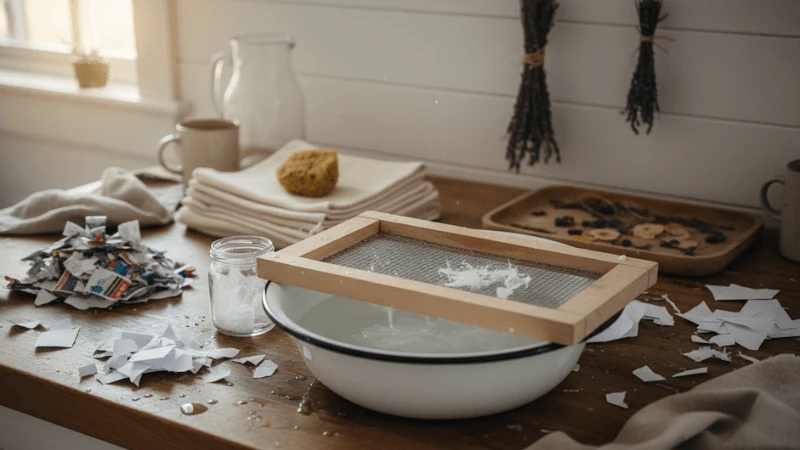
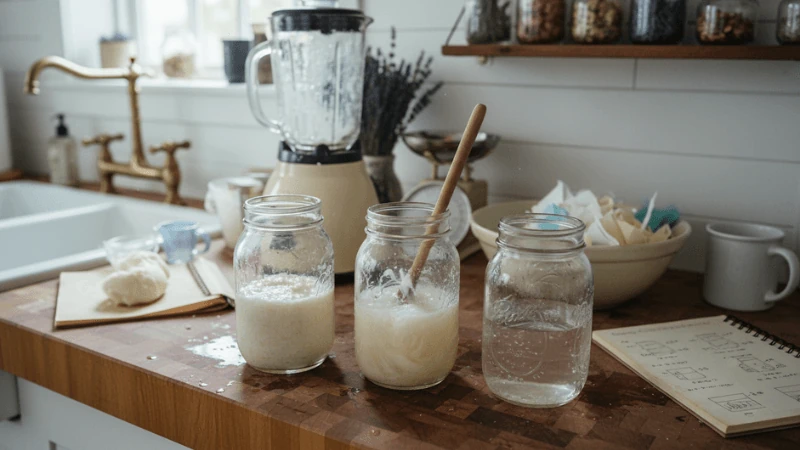
Turn grass clippings and vegetable scraps into beautiful handmade paper.
Celery ends, herb stems, coconut husk and the junk mail on your counter become birthday cards, envelopes, journals and plantable seed paper a friend can grow into a garden.
★★★★★Taught by Angela F., retired schoolteacher turned papermaker
No experience needed. Under $30 of supplies. First sheet finished in under an hour.
< 1 hrTo your first sheet
It looks like a studio craft. It runs on a blender.
The first time you see handmade paper with fibers caught in the pulp and soft deckled edges, it does not read as homemade. It reads as expensive. Here is why you can make it anyway.
One machine, and you own it
A blender, a plastic bin, a screen. No press, no studio, no kiln, no specialty art supply.
Under $30 to start
And the DIY mould bonus brings that under $15 if you'd rather build the frame yourself.
The material does the work
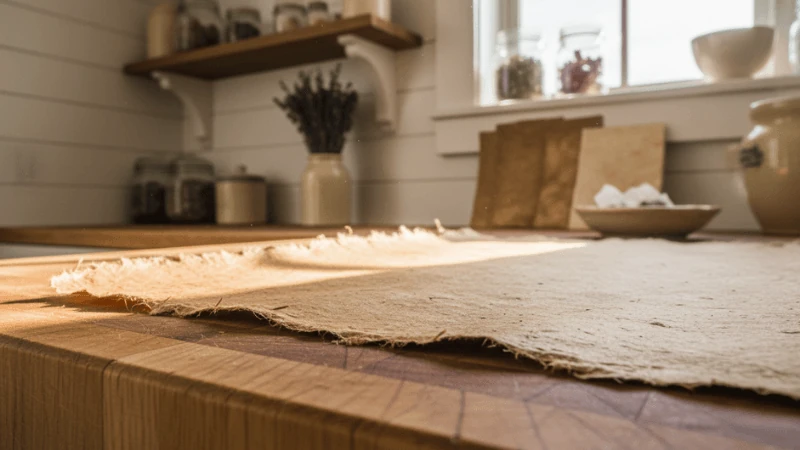
Deckled edges and visible fiber are what make the paper look good. Both happen on their own.
Your supply restocks itself
The recycling bin and the compost pile refill every single week, for free, without you doing anything.
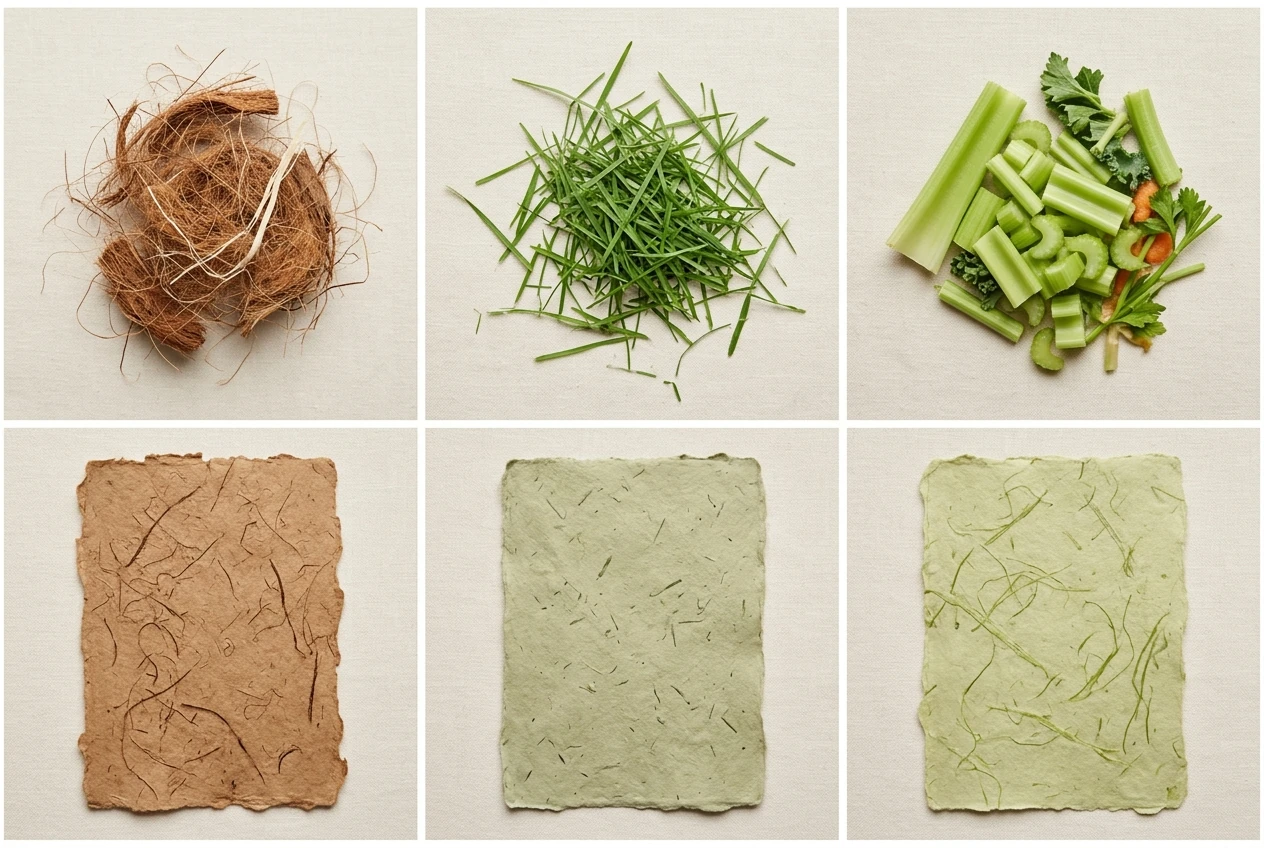
Same technique, different scraps
No two sheets ever come out the same.
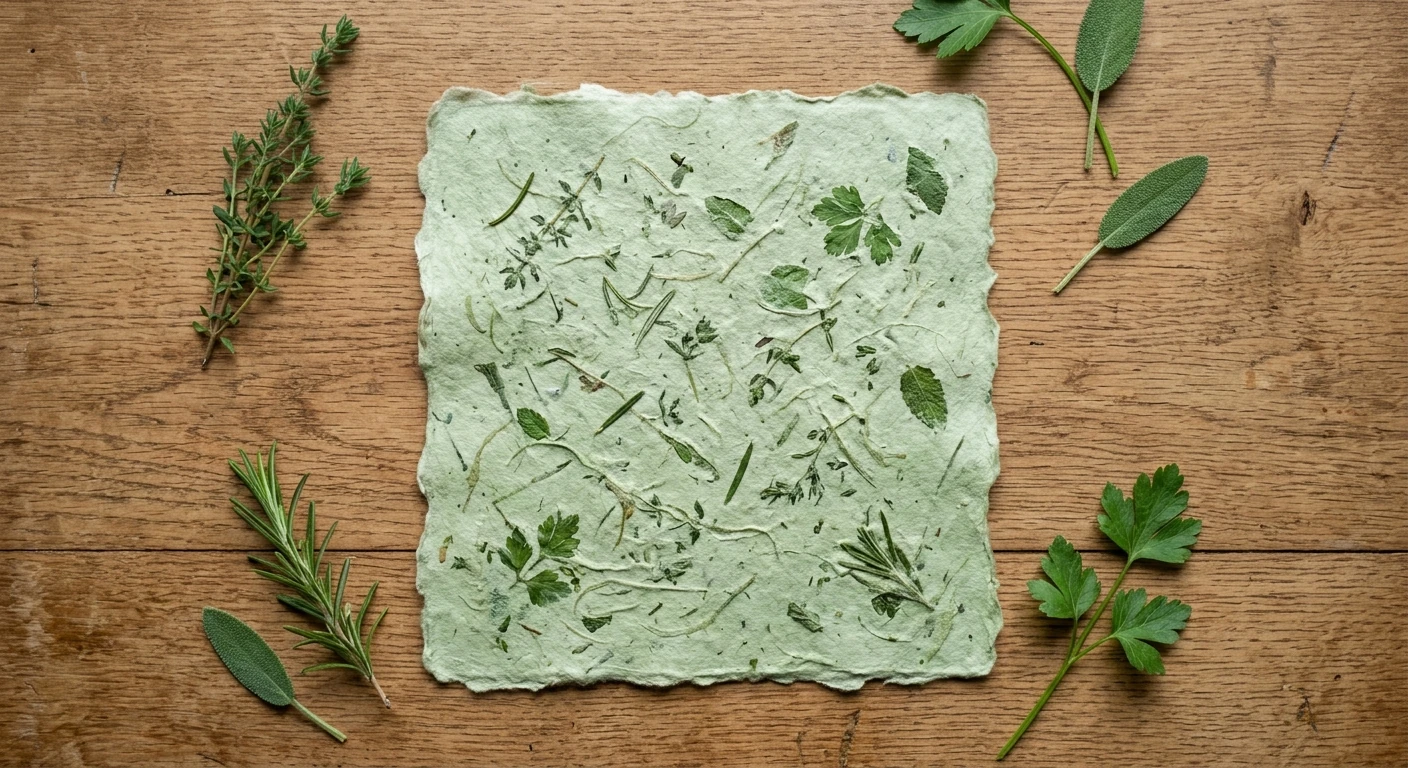
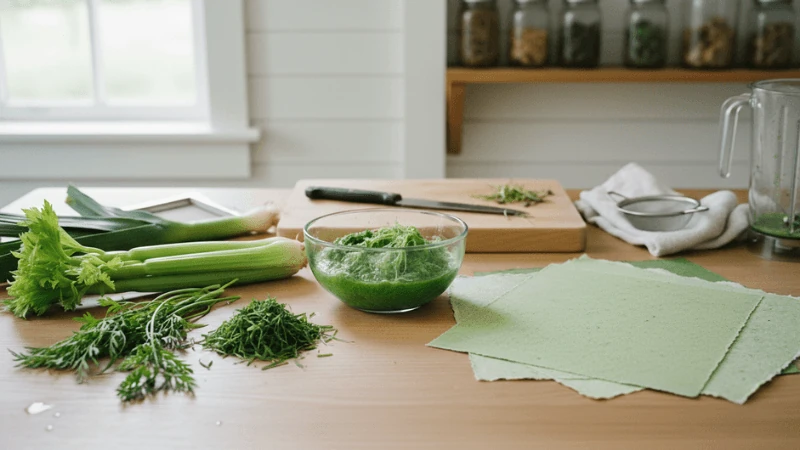
Coconut husk gives you warm brown. Grass gives you sage. Celery gives you the pale green with long fibers running through it. You choose the input, the paper does the rest.
What comes out of it
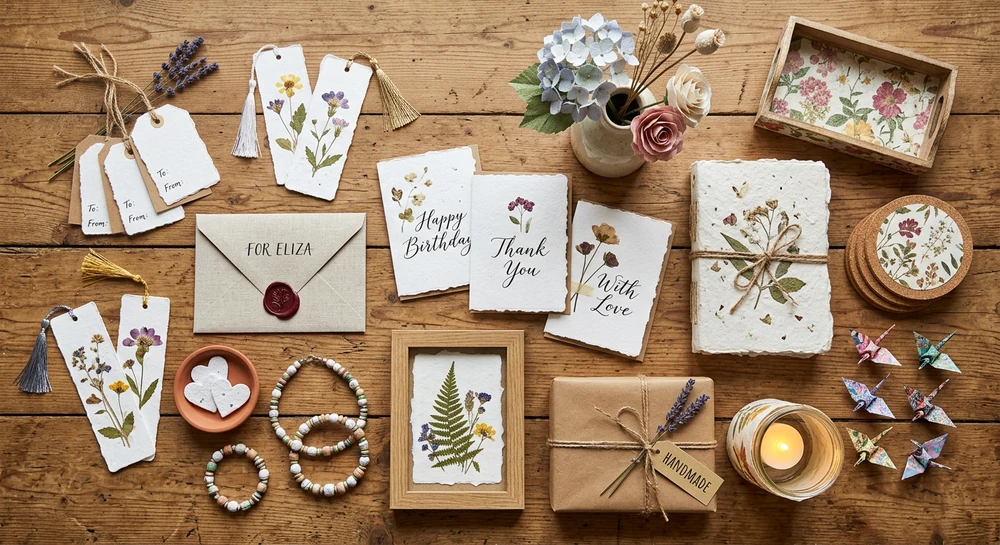
From a single sheet to a bound journal.
Swipe through what the same basic technique produces once you change the scraps, the dye, or the finish.
Cards, tags & envelopes
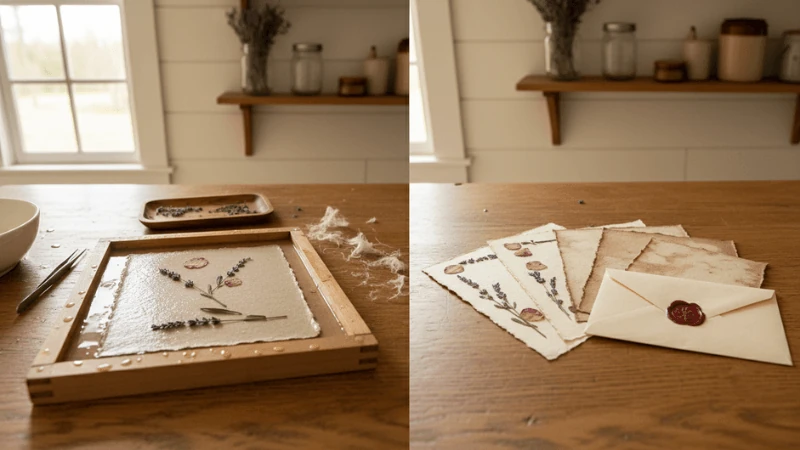
The fastest win. A five-minute card that people keep instead of recycle.
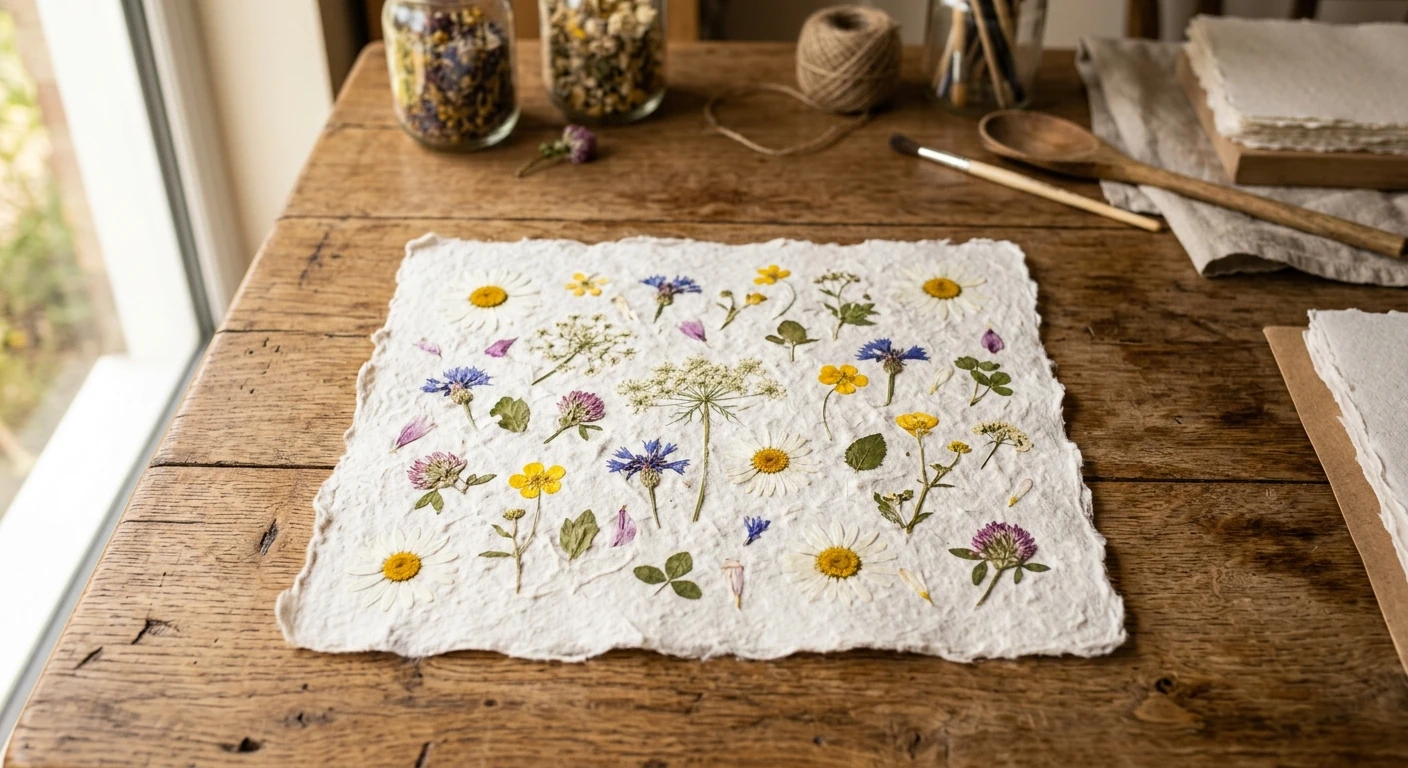
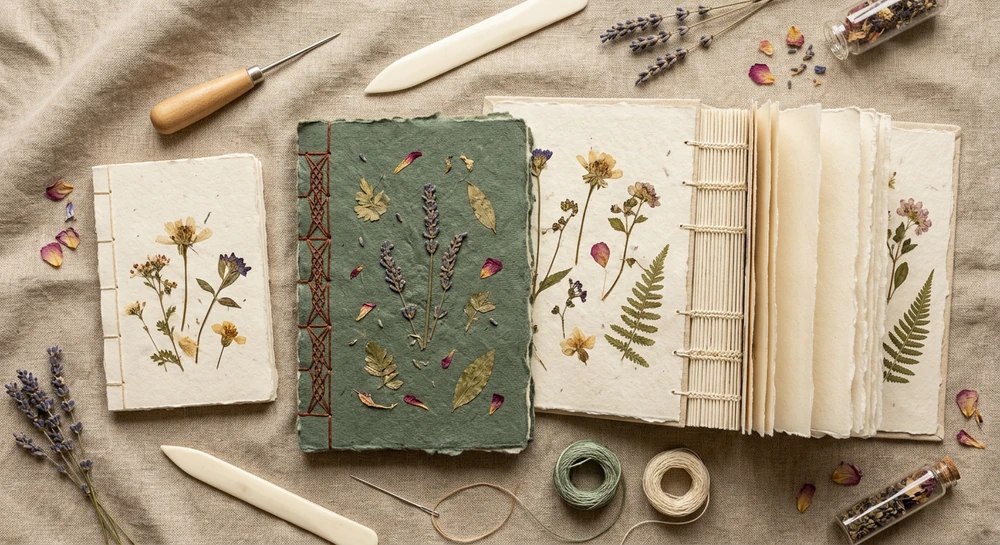
Pressed botanicals
Real flowers and leaves set into the sheet while the pulp is still wet.
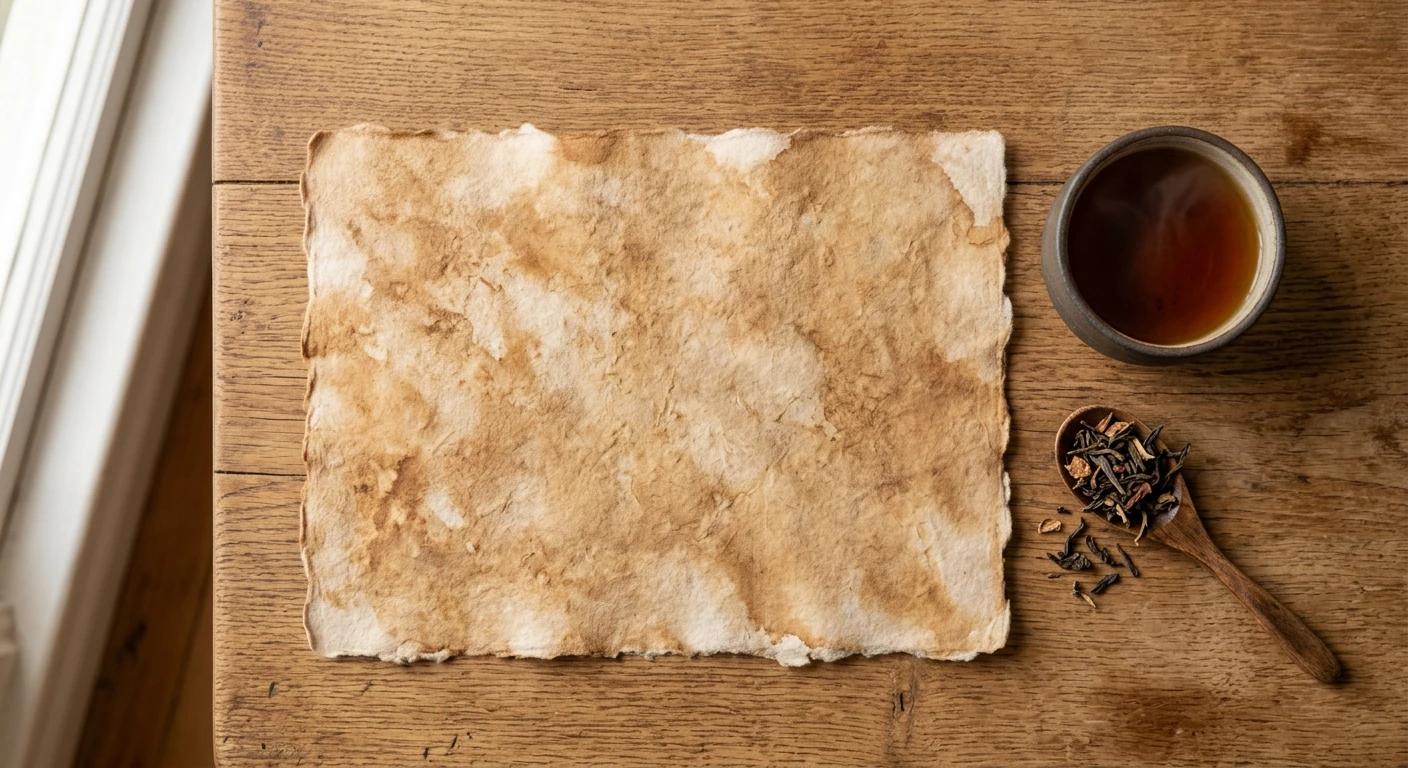
Tea-stained vintage
Coffee, black tea and beet give you aged tones without a single dye packet.
Garden herb sheets
Lavender, rosemary and mint stems, straight from the bed to the vat.
Bound journals
Three stitches, from a 15-minute pamphlet to a coptic binding that lies flat.
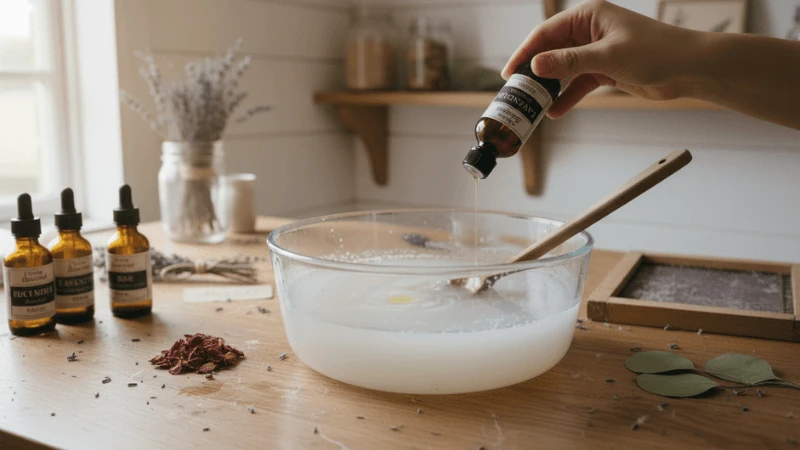
Scented sheets
Drawer liners and letter paper infused at the pulp stage. Lasts months.
Texture & inclusions
Thread, petals, seed. Anything flat enough to sit inside the sheet.
Your instructor
Angela F.
I taught school in Los Angeles for a couple of decades, then traded lesson plans for pulp. Papermaking is what I found when I went looking for something slower to do with my hands, and it turned out the raw material was already in my kitchen.
When I'm not elbow-deep in a vat, I do stand-up at a club near me. Lifelong goal, finally checked off. Both things are the same job really, which is making somebody feel something on purpose.
The part I like best about teaching this is the face people make holding up their first sheet, when it registers that they made it, an hour ago, out of something they were about to throw away.
The workshop
The Paper & Petals Workshop
What's inside
Six modules. Hands-on, no filler.
Under three hours of video total. You make your first sheet in Module 1.
Module 01
Papermaking Basics & Your First Sheet
The simple science behind how paper forms, then your first finished sheet in under an hour.
The exact supplies worth buying, and what to skip, to start for under $30
How papermaking actually works: breaking fibers down and reforming them
Follow along step by step as we make your very first sheet together
The one thing to get right on your first try, which is all about consistency
Module 02
Perfecting Your Pulp
Smooth, even pulp every batch, and how to dial thickness and texture up or down.
Why your paper comes out too thick or too thin, and the simple fix
What never to put in the blender unless you want to ruin the batch
How to test your pulp before you commit to a full sheet
Storing pulp in the fridge for weeks so you can pick it back up anytime
Module 03
Color: Natural Dyeing & Tinting
Colored and vintage-toned sheets using tea, coffee, beets and what's already in the pantry.
Dyeing with coffee, tea and kitchen ingredients for warm vintage tones
The one step that decides whether color lands evenly or blotchy
What never to use as dye, unless you want fading paper and stained hands
An easy technique for ombre effects and color gradients across a sheet
Module 04
Embedding Botanicals & Texture
Turning a plain sheet into something with flowers, herbs and leaves set inside it.
How to press flowers specifically for paper so they stay flat and keep color
Why botanicals lift off or sit raised, and the trick that fixes it
What never to embed, because thick stems and fresh flowers will wreck a sheet
Positioning them so you still have room to actually write on the thing
Module 05
Scented Paper
Infusing botanical scent so a letter smells like something when it's opened.
Adding scent at the pulp stage versus after the sheet has dried
Exact essential oil ratios, so it's noticeable without being overpowering
Which oils to avoid entirely
Storage that keeps scented paper fragrant for months rather than days
Module 06
Couching, Pressing & Drying
The finishing half. This is what separates a usable sheet from a warped one.
The flip that gets paper off the mould and onto a towel without tearing
What never to do while pressing, or you'll get wrinkles and warping
Drying so sheets stay flat and smooth instead of curled and brittle
The best method for a genuinely writable surface
Included free today
Four bonuses, $106 of value, yours at no extra cost.
These are the things people ask for after Module 1, so they're already in the box.
01$19 value · free
Making Paper From Organic Materials
Fresh garden material, not just recycled paper. Grass, herbs and vegetable scraps into pulp.
Turning grass clippings, celery and leafy vegetables into workable pulp
Breaking fresh organic material down without over-blending it to mush
Which garden scraps work best, and which ones to leave in the compost
02$29 value · free
Building Your DIY Mould & Deckle
Build the one piece of real equipment yourself, for under $15.
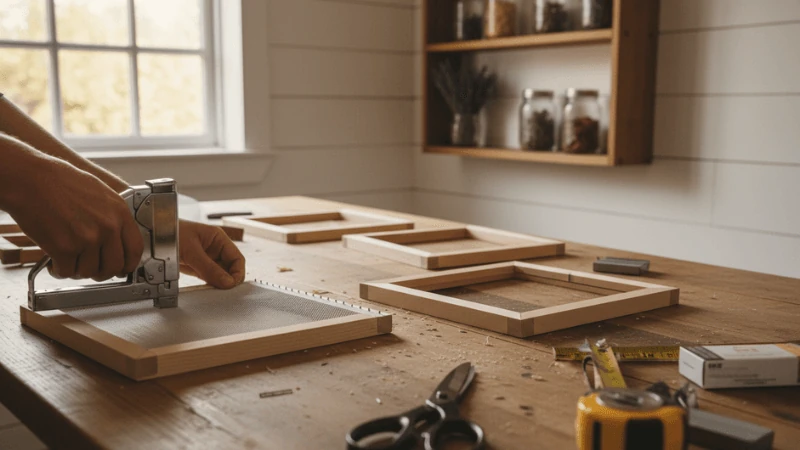
Follow along building a full mould from dollar store frames and window screen
The one technique for a tight screen, which is what gives you smooth paper
Making multiple sizes so you're not stuck with one sheet format
03$29 value · free
15 Projects to Make With Your Handmade Paper
So your sheets become things instead of a stack in a drawer.
15 projects ordered beginner to intermediate, each built to show off texture
Things people actually want: custom envelopes, plantable seed paper favors, scented drawer liners, paper bead jewelry
Every project lists what you need, how long it takes, and where people usually go wrong
04$29 value · free
Handmade Journal Binding Mini-Course
Three binding methods, beginner to advanced. No bookbinding experience assumed.
The full price of the workshop is $97. This page is a beta launch, and Angela wants to actually answer questions from the people who join, which she can't do for an unlimited number at once. So the first 100 students get in at the beta price.
The Paper & Petals Workshop
Six modules, four bonuses, lifetime access
$97$47
One-time purchase · Lifetime access forever
The Complete Paper & Petals Workshop, 6 modules ($97 value)
Bonus 01: Making Paper From Organic Materials ($19, free)
Bonus 02: Building Your DIY Mould & Deckle ($29, free)
Bonus 03: 15 Projects to Make With Your Paper ($29, free)
Secure payment256-bit SSL30-day guaranteePayPal · Visa · Mastercard
Before you decide
The three questions everybody asks.
Asked and answered, straight.
"But I'm not crafty or artistic. At all."
You don't need to be. You are tearing paper, blending it with water, and pressing it flat. If you can make a smoothie you can make paper. The process is what creates the look, not your hand.Angela F.
"Will it actually look good though, or just lumpy?"
Lumps come from pulp consistency, and that's the whole point of Module 2. Get the consistency right and even sheets are the default, not the lucky outcome.Angela F.
"I really don't want to wreck my kitchen."
Fair. I teach a tidy station setup where cleanup runs about ten minutes. Right bin, right placement, counters stay dry. It's a lot less mess than baking.Angela F.
30 DAYS
The "Love Your Paper" Promise
You don't have to decide right now. Get access, watch the videos, follow Module 1, set up your supplies and make a sheet. If at any point in 30 days it isn't what you hoped, send one email and you get every penny back within 24 hours. No forms, no hoops, no awkward conversation. You either love what you make or you don't pay for it.
Questions
Frequently asked
Is papermaking safe in my kitchen? Will it wreck my blender or plumbing?
Yes, it's safe. Any blender works, including a $15 thrift store one, because paper fibers are softer than ice or frozen fruit. And no, it won't clog your plumbing. Angela shows you how to dispose of leftover pulp properly, which is easier than most people expect.
What supplies do I need, and what will they cost?
A mould and deckle ($20 to $25 to buy, or under $15 to build using the DIY bonus), a plastic bin (about $10), a blender you already own, and paper scraps (free). Under $30 all in. Angela walks through exactly what's worth buying and what to skip.
Will this make a huge mess? Is cleanup difficult?
Not with the setup Angela teaches. Her tidy station method keeps cleanup to about ten minutes and your counters dry. It comes down to bin size and placement, and she shows you both.
I'm not artistic. Will my paper still look good?
Yes. You don't need artistic talent because the process does the aesthetic work. The fibers, the deckled edges and the natural color of whatever you used are what make it look good, and those happen whether you have an eye for design or not.
How long is the workshop? Can I go at my own pace?
Under three hours of video total, completely self-paced. Short lessons you can finish in a weekend or stretch over weeks. You make your first sheet in Module 1, following along with Angela in real time.
What can I actually use to make paper?
More than you'd think. Recycled paper scraps, junk mail and newspaper are the easiest place to start. Then grass clippings, celery ends, herb stems, coconut husk and vegetable scraps. The Organic Materials bonus covers each option, including which ones work best and which to skip. Pressed flowers are covered too if you want them in the sheet.
Do I need any craft experience?
None. This is built for complete beginners. Angela was a schoolteacher with zero papermaking experience when she started, and she walks through every single step.
How long do I have access?
Forever. Pay once, revisit the lessons whenever, next month or five years from now. No expiration and no subscription.
What if I try it and don't like it?
You have 30 days to try everything risk-free. If you're not happy for any reason, email us and you get a full refund, no questions asked.
Is it safe to purchase online?
Yes. Payment processing is encrypted at the same standard as any major retailer, your information is protected, and you get an instant receipt.
How can I pay?
All major credit cards and PayPal. Secure, instant, no extra fees.
One last thing
Ready to make your first sheet?
I built this course because I remember seeing handmade paper for the first time and thinking there was no chance I could do that. I was wrong, and once I made one sheet I couldn't stop.
Holding something you made from scratch, out of material that was headed for the recycling bin an hour earlier, is a specific feeling and I haven't found much else like it. I hope you get to have it too, at your kitchen table, on some ordinary afternoon.
Secure payment256-bit SSL30-day guaranteePayPal · Visa · Mastercard
Terms of Service
Last updated: April 2026
By purchasing and accessing The Paper & Petals Workshop ("the Course"), you agree to these terms.
License & Access. Your purchase grants you a personal, non-transferable, lifetime license to access all course materials. You may not redistribute, resell, or share your login credentials with others.
Intellectual Property. All course content, including videos, guides, templates, and images, is the intellectual property of One Craft at a Time and its creators. You may not copy, reproduce, or distribute any materials without written permission.
Refund Policy. We offer a full 30-day money-back guarantee. If you are not satisfied for any reason, email us within 30 days of purchase for a complete refund. No questions asked.
Cancellation. This is a one-time purchase with lifetime access. There is no subscription or recurring billing to cancel.
Disclaimer. The course is provided for educational purposes. Results may vary based on individual effort, materials, and experience. We make no guarantees of specific outcomes.
Limitation of Liability. To the maximum extent permitted by law, our total liability is limited to the amount you paid for the course.
Changes. We may update these terms from time to time. Continued use of the course constitutes acceptance of any changes.
Privacy Policy
Last updated: April 2026
We respect your privacy and are committed to protecting the personal information you share with us.
Information We Collect. When you purchase the course, we collect your name, email address, and payment information. Payment details are processed securely by our third-party payment processor and are never stored on our servers.
How We Use Your Information. We use your information to:
Deliver the course and any associated bonuses
Send purchase confirmations and access instructions
Respond to support inquiries
Send occasional updates about the course (you can unsubscribe anytime)
Third Parties. We do not sell, rent, or trade your personal information. We may share data with service providers (payment processing, email delivery) strictly to fulfill your purchase.
Cookies & Analytics. Our website uses cookies and analytics tools to understand how visitors interact with our pages. These tools collect anonymous usage data and do not identify you personally.
Your Rights. You may request access to, correction of, or deletion of your personal data at any time by contacting us.